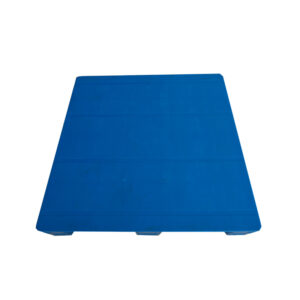
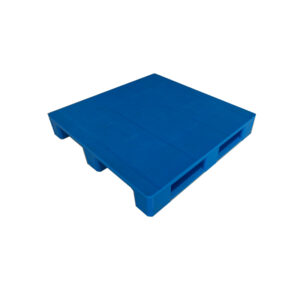
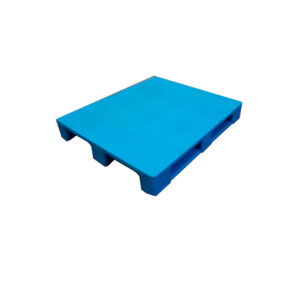
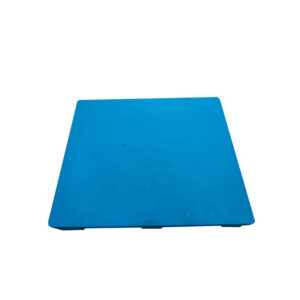
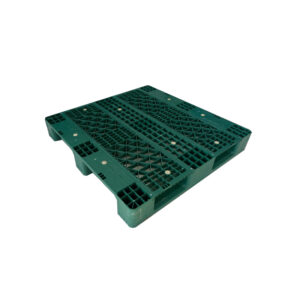
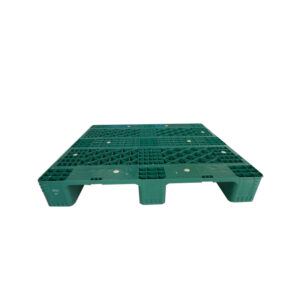
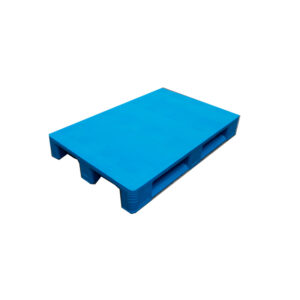
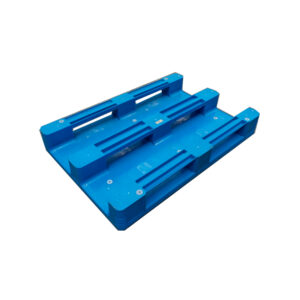
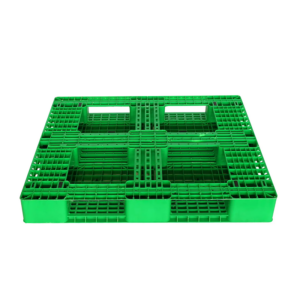
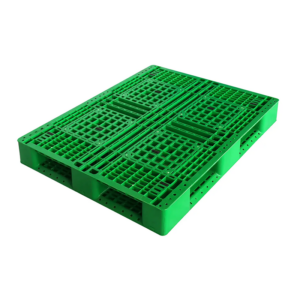
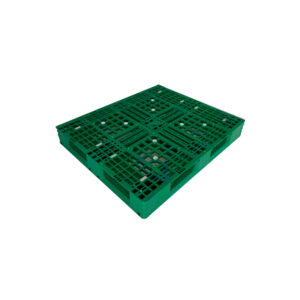
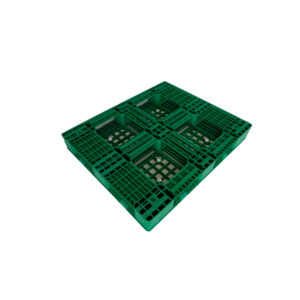
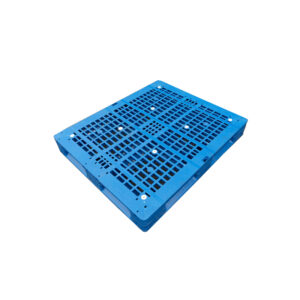
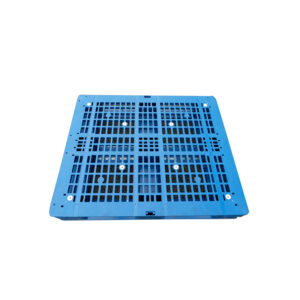
Plastic pallets for automated warehouses should be selected against the actual handling and storage system, not by pallet size alone. Load distribution, bottom structure, rack support, conveyor configuration and handling direction can all affect how a pallet performs. Zhenghao supplies flat-deck, grid-deck, three-runner, six-runner and double-faced options for different warehouse conditions. Rack load capacity and automation suitability vary by model, so buyers should compare the intended unit load, support points, equipment interface and operating environment before choosing a pallet. The products below provide a practical starting point for commercial selection. Final compatibility should be confirmed against the actual rack, conveyor or automated handling system before ordering.
Plastic Pallets for Automated Handling Systems
Automated storage and material-handling processes require the pallet structure to match the equipment interface. Deck design, runner layout, support direction and load distribution should be reviewed together rather than treated as separate specifications.
Rack and Load Requirements
Static, dynamic and rack loads describe different conditions. Rack load capacity varies by pallet model and should be checked on the individual product page. Eleven products in this category currently publish a specific rack load; the actual rack span, support points and loaded pallet condition should still be confirmed.
Conveyor and AS/RS Compatibility
Conveyor or AS/RS compatibility depends on pallet dimensions, bottom structure, support direction, load and system configuration. The 1500×1500 double-faced welded plastic pallet includes an AS/RS application reference, while the 800×600 three-runner flat-top plastic pallet includes conveyor and automation-line applications. These references are not universal compatibility approvals; confirm the actual equipment interface before ordering.
What Buyers Should Confirm Before Ordering
- Required pallet dimensions and unit-load weight
- Static, dynamic and rack-load conditions
- Rack support spacing and contact points
- Conveyor type, support direction and transfer points
- Forklift, pallet jack or automated handling interface
- Operating environment and required quantity