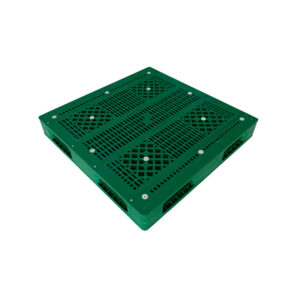
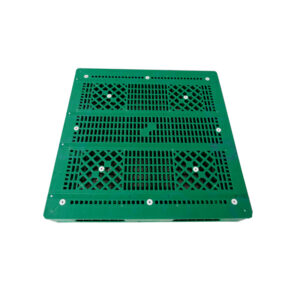
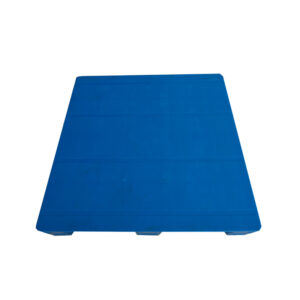
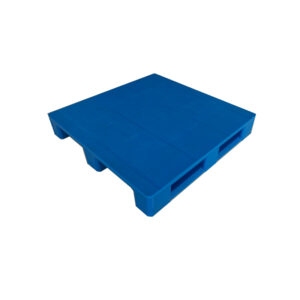
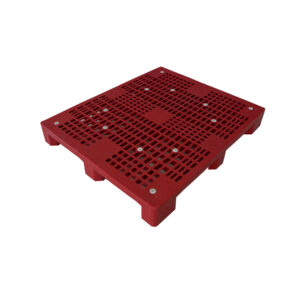
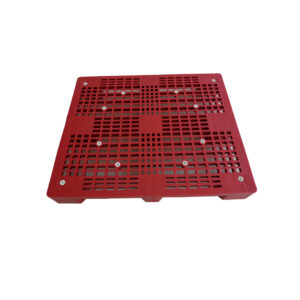
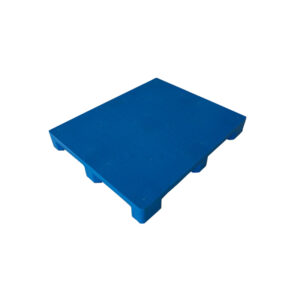
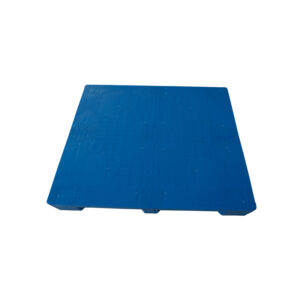
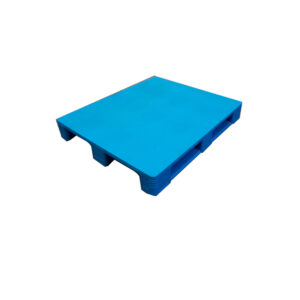
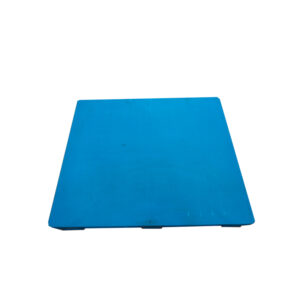
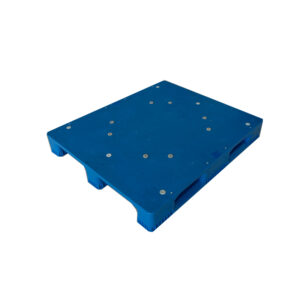
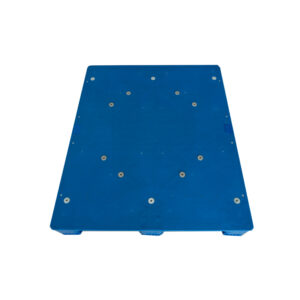
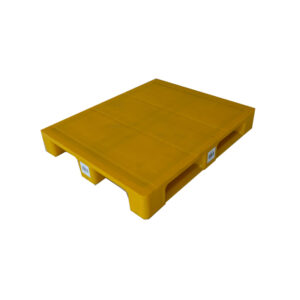
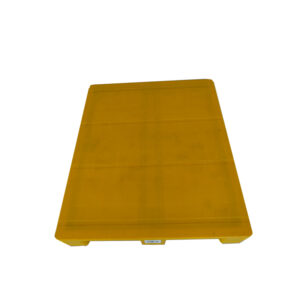
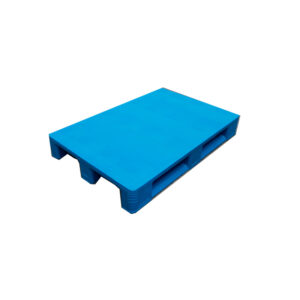
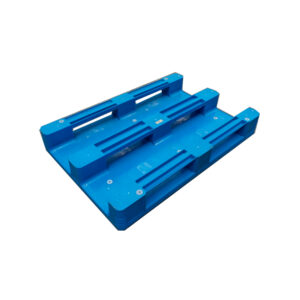
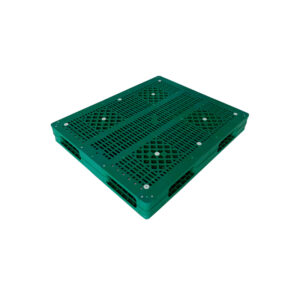
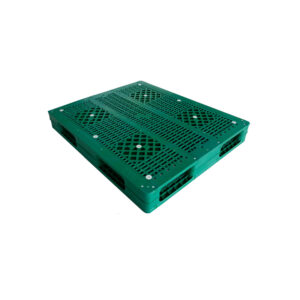
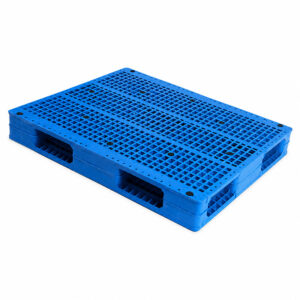
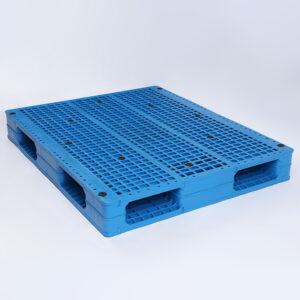
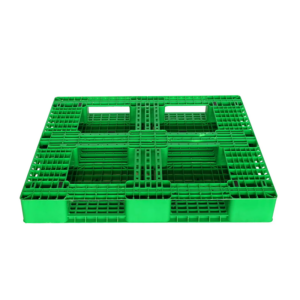
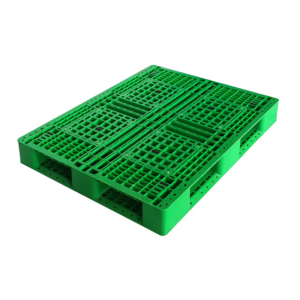
Plastic pallets for meat and poultry operations support reusable handling across processing, cold storage and distribution. The 29 options below include flat-deck, grid-deck, runner and reinforced designs in several sizes. Material, cleaning characteristics, load ratings and storage suitability depend on the model. For the broader industry range, see our plastic pallets for food and beverage handling.
Start with the cargo size and weight, then match the pallet to the cleaning routine, handling equipment and storage method. Confirm whether it will be used on the floor, in stacks or on racks, and check the individual specifications before ordering.
Hygienic Pallets for Meat and Poultry Operations
Closed or smooth decks can simplify routine washing where surface cleanliness is important. Grid decks may suit operations that need drainage or airflow. Product pages in this category list HDPE or PP options depending on the model; confirm the required material and cleaning process rather than assuming every pallet has the same specification.
Choosing the Right Pallet for Cold-Chain Handling
Cold-chain selection depends on more than pallet size. Compare the rated load, deck and runner structure, forklift or pallet-jack access, and the actual floor, stacking or rack conditions. For flat-deck applications, review the 1200×800 reinforced flat-deck pallet and the 1200×1000 reinforced flat-deck pallet. Their product pages document easy-clean decks, four-way handling and cold-chain use.
Plastic Pallet Options for Different Handling Requirements
The range covers different dimensions and bottom structures rather than one universal design. A smooth deck may be appropriate for routine cleaning, while a six-runner or reinforced pallet may suit heavier handling or specific storage arrangements. The 1200×1000 six-runner plastic pallet provides another structure to compare. Rack use and load capacity must always be checked against that product’s stated data.
What Buyers Should Confirm Before Ordering
Before requesting a quote, provide the required size, cargo or unit load, material preference, handling equipment, storage conditions, rack support if applicable, cleaning method and order quantity. For bulk or OEM orders, color, logo and tracking requirements can also be reviewed against the available model and configuration.