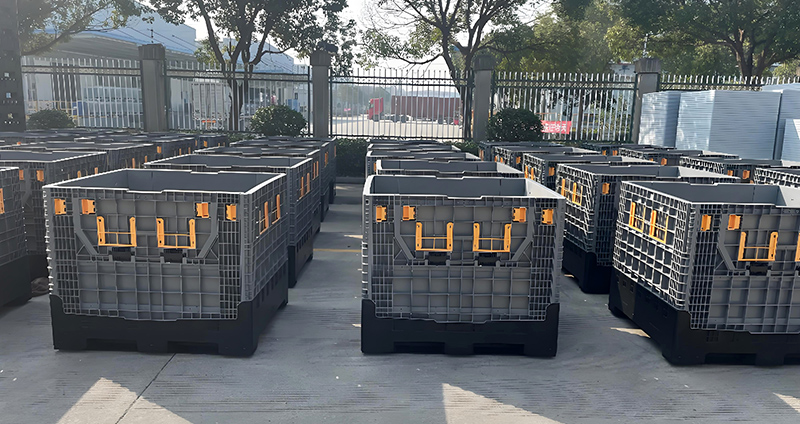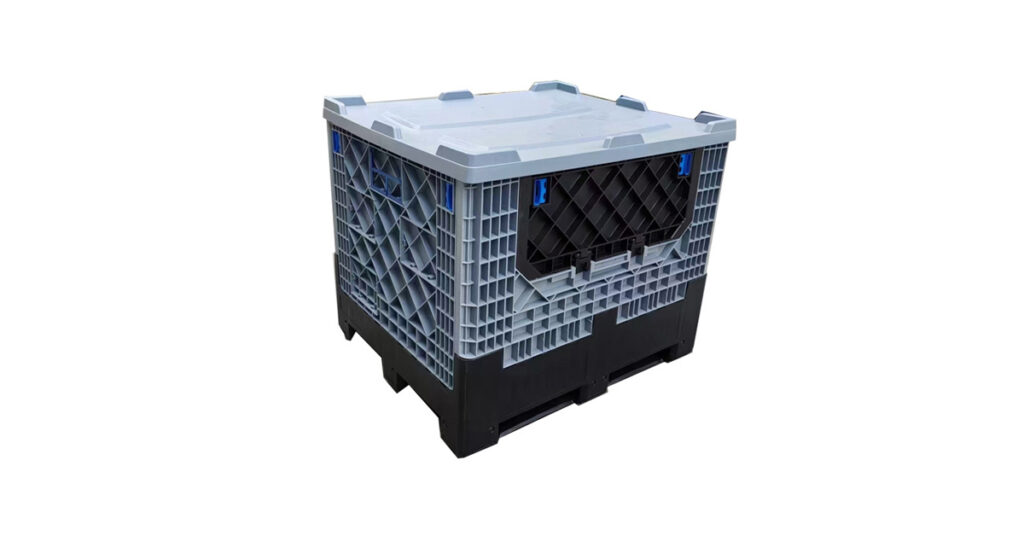
Automotive parts vary in size, weight, surface sensitivity and handling route. A foldable pallet box can reduce the space occupied by empty packaging on the return journey, but only when the box, access points and internal protection match the part. This guide explains what buyers should confirm before selecting a configuration.
Where foldable pallet boxes fit in automotive logistics
Returnable packaging often moves repeatedly among a component supplier, warehouse, assembly plant and line-side area. The selected box must work on both the loaded trip and the empty return. A foldable design can support that cycle when its usable space, access and handling base suit the operation, but it is not automatically the right choice for every part or route.
Start with the part and packing method
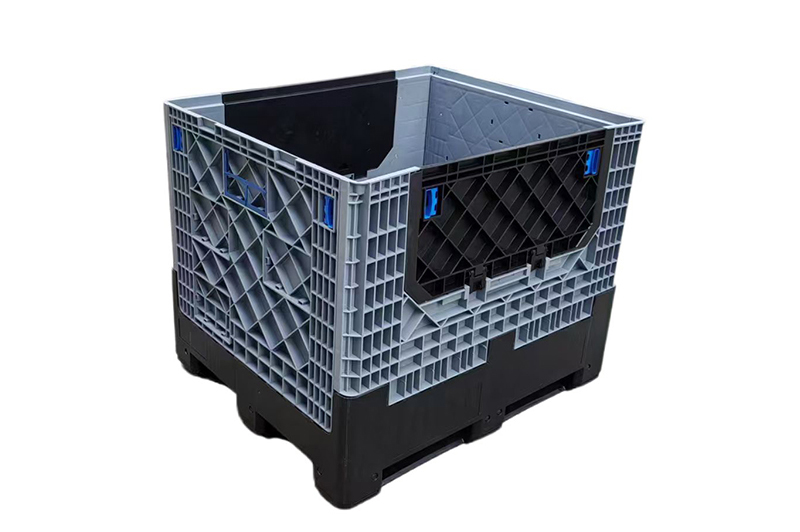
Record the part dimensions, loaded weight, quantity per box and loading orientation. These details determine the usable internal space and packing density required. Include any liner, divider, rack or other internal packaging when calculating the space.
Part fit and protection
The outer box contains the load, while sensitive surfaces or irregular parts may need suitable internal protection. Confirm whether the application requires dividers, dunnage, a liner or a lid. The answer depends on the part and transport conditions, not simply on the box type.
Access during loading and picking
Compare top loading with side access through a drop gate. Consider how operators load the box, remove parts and replenish a line-side station. A removable side or modular configuration is a different option and should be considered only when the process calls for it.
Check handling, stacking and the return route
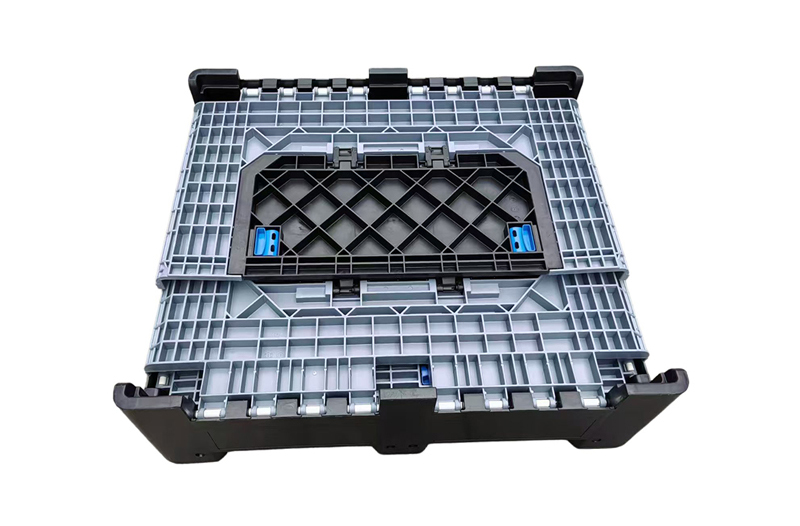
Match the pallet base and entry direction to the equipment used at each location. Stacking must be assessed for the chosen model, load and storage method. For empty returns, compare folded height, available storage space and the vehicle or container used on the return leg.
- Handling equipment and required entry direction
- Loaded stacking arrangement and storage conditions
- Empty storage area and return vehicle or container
- Cleaning and inspection points between trips
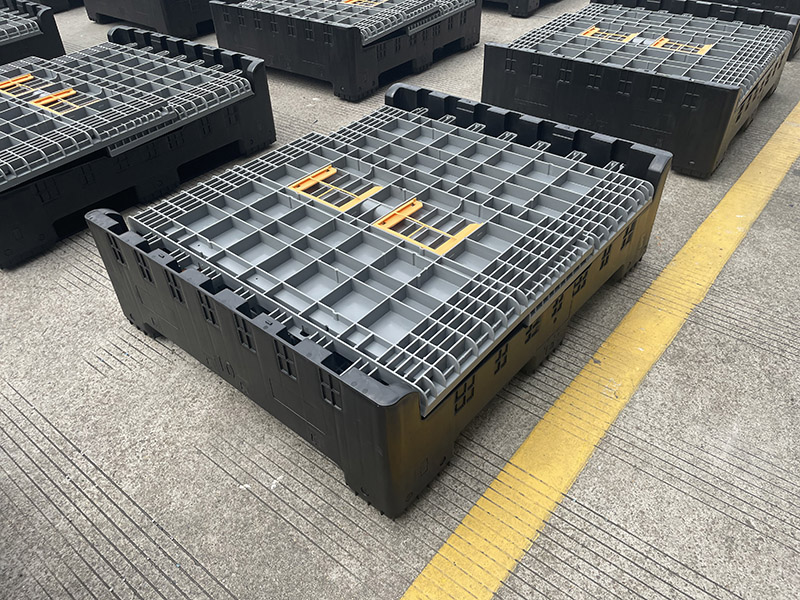
Compare available configurations
Review the current foldable plastic pallet boxes before choosing a model. Dimensions, material, load ratings, folded height, access and stacking limits depend on the product and configuration.
Drop-gate pallet boxes
A drop gate can provide side access when top access is inconvenient. Check the opening position, usable internal dimensions and gate arrangement against the loading and picking process.
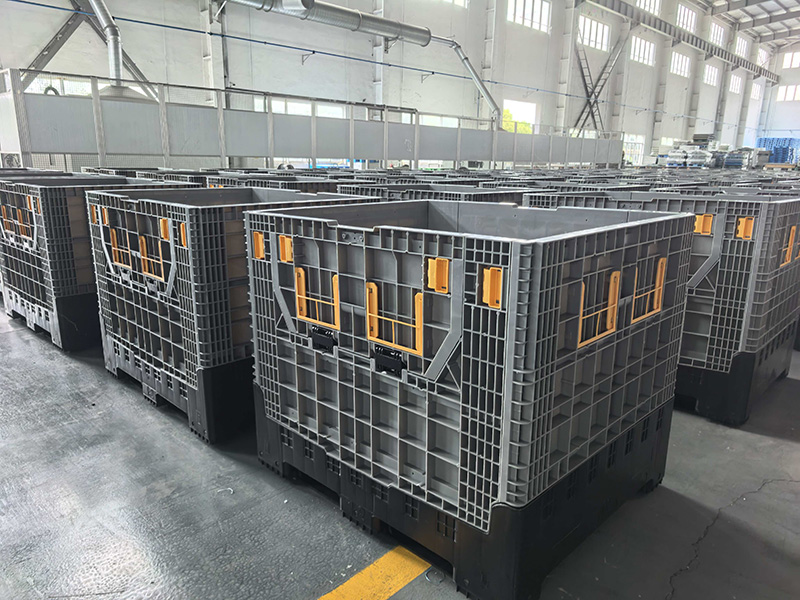
Sleeve and modular configurations
Sleeve and modular systems use different side structures from a one-piece folding box. They may suit applications that need removable sides or a configurable setup. Compare them on part protection, assembly steps, handling and the complete return route rather than treating the formats as interchangeable.
Information to confirm before requesting a quotation
- Part dimensions, weight and quantity per box
- Required usable internal space and access points
- Internal protection or dunnage requirements
- Handling equipment and entry direction
- Loaded stacking and storage plan
- Empty-return route and available transport space
Frequently asked questions
When is a foldable pallet box appropriate for automotive parts?
It is worth considering when the packaging will be returned empty and the selected model suits the part, access, handling and stacking requirements.
Does a foldable box automatically protect sensitive parts?
No. Surface-sensitive or irregular parts may require dividers, dunnage, liners or other internal protection designed for the application.
Can the same box be used on every automotive route?
Not necessarily. Validate the product and configuration against the equipment, loading method, storage conditions and return route at every location.
Discuss an automotive parts packaging application
Send the part dimensions, loaded weight, access method, handling equipment, stacking plan and return route to discuss a suitable configuration.